
It's not too early for a flu shot.
Longs Drugs®, your place for vaccines.
Flu season typically peaks between December and February.
Schedule your flu shotVaccinations
We make finding vaccines easy and affordable. Get 14 vaccines that are no cost with most insurance, including the COVID-19 vaccine and more at Longs Drugs®. Plus, get a $5 off $20 coupon* after vaccination. Restrictions apply.*
Your pharmacist or MinuteClinic® provider is always available to discuss which vaccines are right for you.

Flu season typically peaks between December and February.
Schedule your flu shotAdults 65 years and older are eligible for two doses of the COVID-19 vaccine* administered 6 months apart.
Schedule your COVID-19 vaccine todaySchedule
The Centers for Disease Control and Prevention (CDC) recommends different routine vaccinations for different age groups. Explore the schedule information per age group below or visit the CDC immunization schedule page for more information on which vaccines are recommended.
Last updated September 30, 2025, using U.S. Centers for Disease Control and Prevention (CDC) vaccine guidance.
This table summarizes general eligibility information for 13 vaccines for children and adolescents ages 0 months to 18 years.
This table summarizes general eligibility information for 12 vaccines for patients ages 19 to 64 years of age.
This table summarizes general eligibility information for 10 vaccines for patients 65 years of age or older.
This table summarizes general eligibility information for eight vaccines for patients who are planning to travel.

One trip
Getting multiple vaccines in one appointment is safe, per the Centers for Disease Control and Prevention (CDC) and helps save you time.
Schedule vaccinationsAvailable vaccines
The CDC recommends the 2025/26 COVID-19 vaccine for adults 65 and older and people 6 months* to 64 years at increased risk. Vaccination decisions are individually based and need-focused.
Conditions that put you at higher risk, according to the CDC, include being a past or current smoker, being physically inactive, blood disorders, Body Mass Index greater than 25, cancer, chronic liver disease, chronic lung disease, dementia or a neurologic condition, diabetes, heart disease, HIV or tuberculosis infection, kidney disease, mental health conditions, pregnancy, transplant, substance use disorders, weakened immune system, and any other conditions or situations that place you at high risk of severe illness from COVID-19.
Schedule your COVID-19 vaccinationThe Centers for Disease Control and Prevention recommends an annual flu vaccination for nearly everyone 6 months of age or older, and our certified immunizers are able to vaccinate patients as young as 3 years old in some states. Get your flu shot to help reduce your risk of serious complications from the flu, including hospitalization.
Get flu vaccine informationSchedule vaccinationsThe Centers for Disease Control and Prevention recommends the hepatitis B vaccine for children and adolescents younger than 19 years of age, adults ages 19 through 59 who have not been vaccinated, adults ages 50 years and older with risk factors for hepatitis B infection, as well as infants.
Get hepatitis B vaccine informationSchedule vaccinationsThe Centers for Disease Control and Prevention recommends that the HPV vaccine be administered to individuals as young as 9 years old and those up to 26 years of age or if recommended by your health care provider.
The CDC recommends meningococcal vaccines for 11 to 12 year olds, a booster dose at 16 years old, and for other children and adults who are at increased risk for meningococcal disease.
Children should get two doses of MMR vaccine, starting with the first dose at 12 to 15 months of age and the second between ages 4 and 6. Teens and adults should also be up-to-date on their MMR vaccination.
The CDC recommends mpox vaccination for any person with known or suspected exposure to mpox and for specific populations that may be at higher risk. Pneumonia vaccine is recommended for adults 50 years of age or older and patients 19 through 49 years of age who have certain medical conditions or risk factors.
Polio vaccine is recommended for children at 2 months, 4 months, 6 through 18 months, then ages 4 through 6 years. RSV vaccine is recommended for people 75 years or older, people 50 to 74 and at increased risk, and some pregnant women. Shingles vaccine is recommended for adults ages 50 and older and adults ages 19 and older with weakened immune systems. Tdap helps prevent tetanus, diphtheria and pertussis and is recommended at age 11 or 12 and at least every 10 years after that. Varicella vaccine is recommended as a two-dose series for children, adolescents and adults.
Schedule vaccinationsTravel vaccines
Be prepared for your trip by scheduling your vaccines before you go. Depending on where you’re traveling to, there may be additional vaccines you should consider.
Schedule vaccinations
Chikungunya virus is spread to people by the bite of an infected mosquito. Cholera vaccination may be considered when traveling where cholera is present or where water and food are unsafe. Hepatitis A vaccination is recommended for unvaccinated children and teens through 18 years of age and adults at higher risk or seeking protection.
The hepatitis B vaccine is recommended for children, adolescents, adults who have not been vaccinated and adults with risk factors. Japanese encephalitis vaccination should be considered for time in countries where the infection is regularly reported. Rabies is fatal but preventable, and preventive vaccination may be appropriate for people who work with animals or travel where rabies is common.
TBE virus is mainly spread through the bite of an infected tick and can be found from western and northern Europe to northern and eastern Asia. Typhoid vaccination can help protect people traveling to an area where typhoid infections are a concern.
View CDC guidance on travel vaccines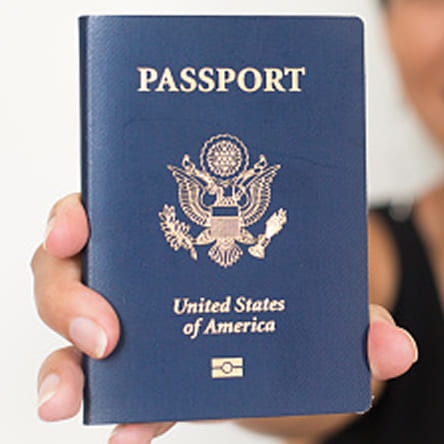
Whether you’re getting your passport or are renewing your old one or need a new ID photo, the CVS® Photo Team makes the process fast and guarantees your photos meet mandatory government requirements.
Get passport photos
Why vaccinate
Vaccines help strengthen your body’s natural defenses* against specific viruses and bacteria, making them the safest, most effective way to help protect you and your family from the risks associated with related illness and hospitalization.* The CDC recommends reviewing your immunization history at every health care visit. Updated vaccines may be needed for work, travel or school.
View your vaccination recordsQuestions
A preparation that is used to stimulate the body’s immune response against diseases.
The Centers for Disease Control and Prevention. Explaining how vaccines work. CDC.gov. Published August 10, 2024.
Vaccines help your body protect itself from diseases. When you get vaccinated, your body activates a natural defense. The vaccine imitates a virus or bacteria. Your body reacts to this imitation by producing antibodies. This is called an immune response.
The antibodies your body makes after a vaccine can recognize specific germs. Your antibodies know how to fight these familiar germs if they return. After antibodies are activated from a vaccine, you might notice mild side effects. These side effects may last a day or two. These side effects don't mean you have an infection.
Vaccines are important for global health. According to the World Health Organization, vaccines help save millions of lives every year, help your body fight diseases, help stop diseases from spreading across communities, help reduce serious complications from infections, and are safe and effective for many people.
Many insurance plans will cover some or all costs of select vaccinations. To ensure coverage, contact your insurance provider.
Medicare Part B covers preventative care vaccines for flu, COVID-19 and pneumococcal pneumonia at no cost. Medicare Part B also covers hepatitis B vaccines for certain patients at no cost. Medicare Part D covers preventative care vaccines for shingles, respiratory syncytial virus (RSV) and Tdap at no cost. Certain other vaccines may be covered with cost sharing.
Schedule vaccines at CVS in the way most convenient for you:
Vaccines go through years of testing and are continuously monitored for safety and efficacy once licensed and in use. U.S. teams of physicians, scientists and public health experts closely monitor any adverse effects that might occur after a vaccination and respond as necessary to ensure vaccines are held to the highest safety standards.
At this time, you may only access your own vaccination records or those of your minor children. Any patient age 18 or older must create their own account on Care.CVS.com to access their vaccination records.
If you’re looking for prescriptions, vaccinations or health cards from Longs Drugs®, you can add minors to your view by requesting to manage their prescriptions in CVS Pharmacy®.
*FOR $5 off $20 COUPON OFFER: Offer available August 10, 2026, through December 31, 2026, while supplies last. Appointments scheduled online will receive the coupon after vaccination. Limit one per customer per vaccine visit. Restrictions apply.
*FOR RESTRICTIONS APPLY: 14 vaccines are no cost with most insurance. Eligibility varies by patient and insurance plan. Availability varies by state based on law. This is not an all-inclusive list of who should not be vaccinated. Consult with your health care provider or talk to your CVS Pharmacy® certified immunizer to see if the vaccine is right for you.
